
The Importance of Balancing Extracurricular Activities Between Sports and the Arts
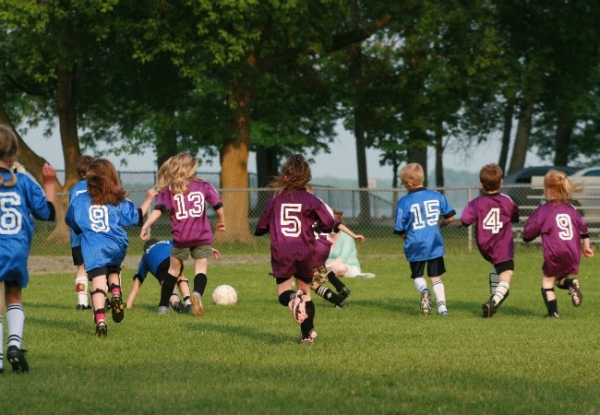
Extracurricular activities are particularly important this electronics-driven day and age. They teach our kids how to collaborate, socialize, manage time, de-stress, and maintain a healthy lifestyle and build confidence. Studies have also shown that children involved in extracurricular activities tend to have better academics than children who spend free time using electronics and avoiding social situations.
So which extra-curricular activities do you help your child pursue? While it may be tempting to go all in on one activity or area, it’s important for kids to strike a well-rounded balance to reap optimal benefits. The different advantages of extracurricular activities vary as wide as their offerings. Here, we focus on the benefits of sports and the arts. The combination the more “hard skills” and “soft skills” are sure to provide a well-rounded development.
The Benefits of Sports
- Team collaboration. How well you thrive in social and occupational settings later in life will depend on how well you work with others. One of the main benefits of team sports is that they teach a child the value of teamwork.
- Physical exercise. Getting the right amount of exercise is critical for kids. Not only does it enhance overall health, both mental and physical, but exercise is a great stress outlet, especially for little ones who may not always understand what is bothering them.
- Enhance communication skills. Team sports in particular places kids in social situations where they need to express themselves. As a result, they learn to communicate better, often in situations where emotions are heightened.
- Learn to lose. Life doesn’t always go our way. And learning to persist despite disappointment teaches grit, one of the most important characteristics that can ensure a child’s success and happiness in life.
- Build confidence. Kids don’t gain confidence by being told how great they are. They develop self-confidence when they learn more about themselves and their abilities. One thing that sports can teach a child is that the more they try, the better they get. They’ll also learn essential life skills like having good sportsmanship, learning to be happy for others, and encouraging teammates.
The Benefit of the Arts
Where have the arts in education gone? Over the past several years, we’ve all seen the trend: schools cutting music, art and theater curricula. The irony is that incorporating the arts have been known to enhance a child’s academic performance.
- Creativity – The arts is so important because it teaches kids to express themselves in a different form that’s more communicative than math or science. Thinking outside the box will pay off big throughout a child’s life.
- Improved academic performance. Compelling research shows the arts improve academic performance. According to PBS, young people who participate regularly in the arts, 3 hours a day 3 days a week for one full year are four times more likely to be recognized for academic achievement, to participate in a math and science fair or to win an award for writing an essay or poem.
- Decision Making. The arts can also teach kids how to be more decisive. How should I draw my character? How should I sing this song to express a certain mood? The arts strengthens problem solving and critical thinking skills.
- Motor skills. For younger kids, learning to hold a paintbrush, or instrument, will help develop a child’s fine motor skills.
- Visual learning. Children need to know more about the world than just what they can learn through text and numbers. Art education teaches kids how to interpret and analyze using visual information.
- Confidence. The adage that there are no mistakes in art means there is no one right answer. Whether its on a canvas or on stage, a child involved in the arts will learn to lean on his own instincts and become confident this way.
If there’s a caveat to introducing your child to sports and the arts, it’s in finding the right fit. For your child to truly thrive, parents need to resist the urge to force kids into something that goes against their natural instincts. Once you’ve exposed them to a variety of opportunities, let your child take the lead in what he or she would like to pursue. It’s also equally crucial not to over-schedule your child with activities. Without proper rest and downtime, no child will find enjoyment in extracurricular activities.